


How Long After Colouring Should You Wait to Wash Your Hair? A Colourist’s Honest Answer

You have left the salon with fresh colour, managed to avoid the rain on the way home, and now you are wondering how long after colouring you should wait to wash your hair. The standard answer is often 48 or even 72 hours, but the reality is less rigid.
For most people, waiting 24 to 48 hours after the wash performed at the salon is a sensible starting point. It may help a fresh toner, gloss or vivid shade last a little longer. However, there is no good evidence that washing at exactly 47 hours ruins your colour while waiting until hour 48 protects it.
The type of colour, the condition of your hair and how your scalp feels are more important than following a countdown.
Quick answers
How long after colouring should you wait to wash your hair?
Most people can wait 24 to 48 hours after the salon wash. There is no strong evidence that 72 hours is a magic cut off, and your colour type and scalp comfort matter.
Can I wash coloured hair the next day?
Yes. Washing coloured hair the next day may shorten the life of a fresh toner or vivid direct dye slightly, but it will not undo properly processed permanent colour.
Which colours need the most careful aftercare?
Fresh toners, glosses and vivid direct dyes usually benefit most from fewer early washes. Permanent grey coverage is more resistant to shampoo, while bleached hair stays light but its toner can fade.
How often should I wash coloured hair?
Wash as often as your scalp needs, then make each wash gentle. For some people that is every other day, while curly, coily or dry hair may be comfortable with a longer gap.
What if my scalp feels irritated after colouring?
Rinse and wash sooner if your scalp is burning, very itchy or sore. If symptoms persist or worsen, speak to a pharmacist or GP, and seek urgent help for swelling or breathing difficulty.
Table of contents
How long after colouring should you wait to wash your hair?
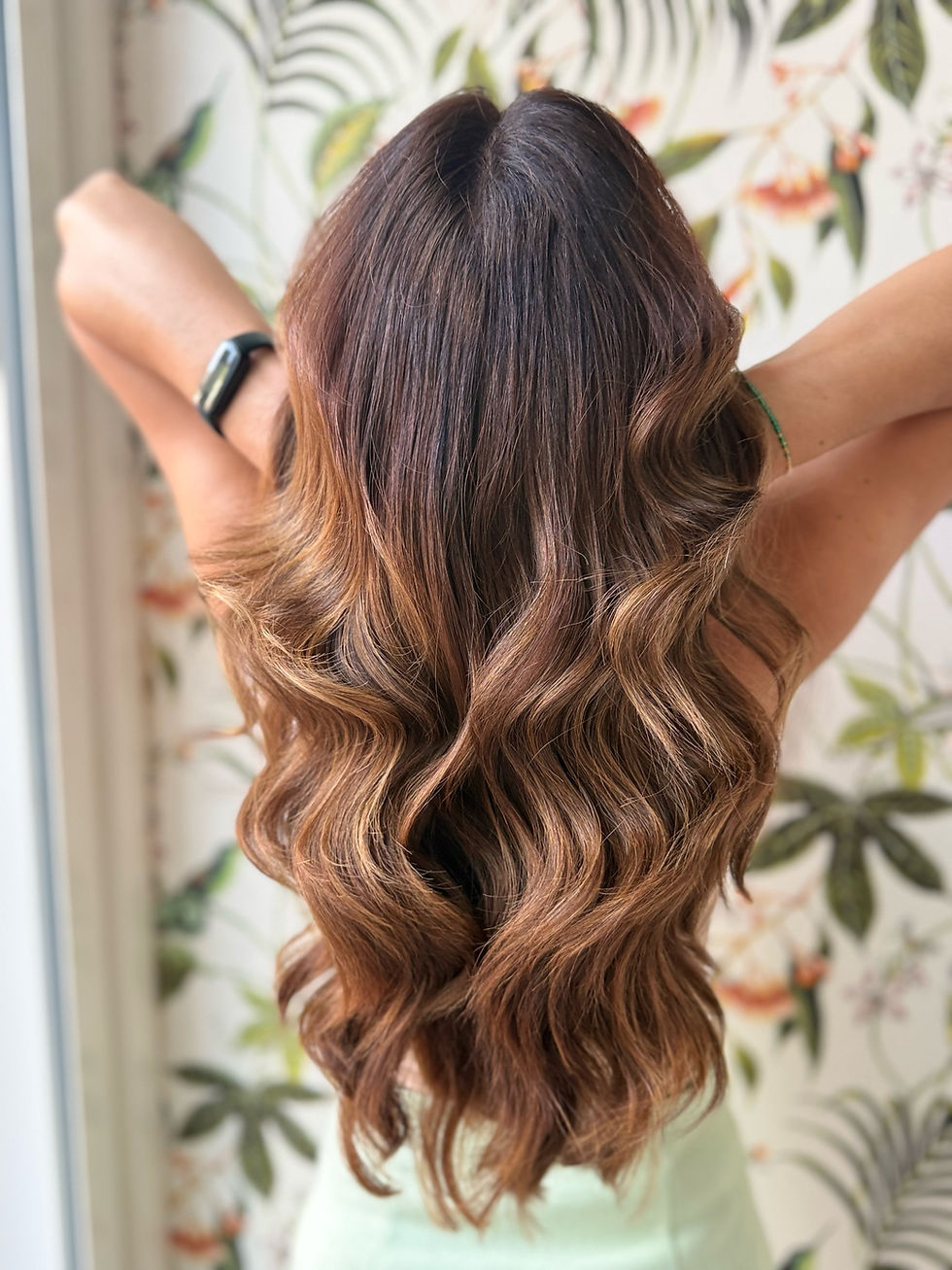
If your scalp is comfortable and your routine allows it, aim to leave 24 to 48 hours between your salon appointment and your first wash at home. Moving closer to 48 hours makes the most sense after a toner, gloss, pastel or vivid direct colour because these shades are generally more vulnerable to repeated shampooing.
The idea that hair colour needs three full days to finish developing is misleading. Professional oxidative colour develops during its specified processing time. At the end of that time, the product is rinsed away and the hair may be shampooed, conditioned or treated as part of the service. That first salon wash is normal and necessary.
Waiting at home is mainly about avoiding an additional wash when the colour is completely fresh. It is not about leaving active colour chemicals inside the hair.
If you have exercised, become caught in heavy London rain or simply have an oily scalp and need to wash the next morning, wash it. One sensible wash is unlikely to cause a dramatic change. Use lukewarm water, cleanse the scalp gently and condition the lengths.
Your colour service changes the answer
Permanent colour uses an oxidation process to create colour molecules within the hair. Shampooing does not simply remove those molecules in one go, although research shows that some pigment can gradually leach from the fibre over repeated washing cycles. Regrowth will usually become the more obvious maintenance issue.
A demi permanent colour or gloss does not have the same staying power. It is designed to soften and fade over time, so both wash frequency and the condition of the hair affect how long it looks fresh.
Toners applied after lightening can be particularly noticeable when they fade. The bleach has permanently removed some natural pigment, so the hair will remain lighter, but the cool, beige, creamy or copper tone placed over it may shift with washing.
Vivid direct colours such as pink, blue, green and bright copper often lose visible intensity faster. Very porous sections may grab a great deal of pigment initially and then release it unevenly. Waiting closer to 48 hours and reducing unnecessary washes can be useful here, although no home routine will make a temporary colour permanent.
Grey blending and permanent grey coverage behave differently again. Shampoo will not bring the original grey pigment back, but new growth will continue to appear. Stretching the first wash cannot prevent that.
If you are unsure which category your colour falls into, ask your colourist whether you received permanent colour, a demi permanent gloss, a toner or a direct dye. Margaux Salon’s hair colouring guide is also a useful overview of the services and their likely upkeep.
The first wash matters less than the next ten

Making hair colour last longer is usually about the routine you repeat, rather than one perfectly timed first wash.
Wash according to your scalp and hair type. Someone with fine hair who cycles to work and trains regularly may need to wash every day or every other day. Someone with dry, curly or coily hair might prefer a gap of several days. Forcing an uncomfortable scalp through a week without washing is not good aftercare.
When you do wash, concentrate the shampoo on the scalp. The suds passing through the lengths are usually enough unless there is significant product build up. Follow with conditioner, particularly on lightened or porous areas, and detangle without dragging at wet hair.
A colour care or gentle shampoo can be useful, but do not judge it by the words sulfate free alone. The complete formula, how much you use and how often you wash all affect the result. A shampoo that cleans well without leaving your hair rough is more useful than an expensive label that does not suit your scalp.
Very hot water is unnecessary. Choose a comfortable lukewarm temperature and finish with conditioner. Cold rinsing is optional. You do not need to stand under freezing water to protect your colour.
Heat styling can make already lightened hair feel drier and more brittle, so use a heat protector and the lowest temperature that achieves the result. Healthy hair tends to hold tone and reflect light more evenly than hair with a very worn surface.
London water adds another variable
Much of London has hard water containing calcium and magnesium. Research shows that these minerals can be taken up by the hair fibre, with chemically treated hair sometimes accumulating more. The effects are not identical for everyone, and hard water has not been proven to universally destroy hair colour.
In practice, some clients notice that blonde hair becomes dull, their shampoo lathers differently or the lengths feel coated. That does not mean you need a harsh clarifying wash every few days. Over cleansing porous hair can create a different problem.
If you suspect build up, use a chelating or clarifying product occasionally and follow its instructions. Ask your colourist how often it suits your hair, especially if you have bleached, coily, fragile or extension hair. A shower filter may change the washing experience for some households, but it is worth checking what the filter actually removes before spending money on one.
Swimming adds another consideration. Wetting the hair with clean water before entering a chlorinated pool and washing it afterwards is more practical than leaving chlorine sitting on the hair to protect a colour. If blonde hair changes tone or feels unusually rough after swimming, professional assessment is safer than experimenting with several strong treatments at once.
A realistic first week after colour

Consider a client with fine, highlighted hair, a beige toner and an oily scalp who commutes through North London and attends a gym twice a week.
Appointment day:
The colour is processed, rinsed and finished in the salon. No additional washing is needed that evening.
Day one: She leaves the hair alone. If the roots feel slightly flat, she changes the parting rather than adding several layers of dry shampoo.
Day two: After the gym, she washes with lukewarm water and a gentle shampoo focused on the scalp. She conditions the mid lengths and ends, then uses heat protection before drying.
Day four: She washes again because the scalp needs it. There is no attempt to reach an arbitrary seven day gap.
Day six or seven: She completes a third gentle wash and uses a conditioning mask if the highlighted lengths feel dry.
This routine is realistic and should be easier to maintain than repeatedly postponing a needed wash. Someone with thick curls and a comfortable scalp might wash only once during the same week, while a daily swimmer will need a completely different plan.
Where home care helps and where it cannot
Home care can slow gradual fading, improve softness and reduce unnecessary wear. It cannot correct an unsuitable formula, significant banding, patchy lightening or a colour that was wrong from the start.
A clarifying shampoo may remove residue, but it can also pull tone from a gloss or direct dye. Purple and blue products can temporarily adjust warmth, although excessive use may make porous areas look dull or uneven. They will not lighten dark hair or repair an incorrect colour placement.
If your result is slightly warmer than expected, contact the salon before trying to strip it at home. A small toner adjustment may be straightforward. Applying another permanent box colour over the top can make a later correction longer, more expensive and less predictable.
Contact the salon promptly if the hair is breaking, feels unusually elastic when wet or has developed noticeably uneven colour. For scalp burning, swelling, blisters or a worsening rash, treat it as a health issue rather than a colour correction. The NHS advises seeking medical guidance for persistent or worsening reactions, with urgent help needed for symptoms such as facial swelling or breathing difficulty.
A calmer approach to colour aftercare

At Margaux Salon, colour consultations include your hair history, condition, preferred routine and realistic tolerance for upkeep. That matters because the right first wash advice for a vivid copper on porous hair is different from the advice for permanent root coverage or subtle grey blending.
The team works with carefully chosen natural and sustainable products across its Kentish Town, Highbury and West Hampstead salons, while keeping hair condition at the centre of the plan. Patch tests are arranged where required, and you can ask for your colour type and home routine to be written down so there is no guesswork afterwards.
Book a colour consultation at your nearest Margaux Salon if you would like advice based on your current colour, hair history and normal washing routine.
The practical takeaway
For most people, waiting 24 to 48 hours after the salon wash is a useful but flexible guideline. Aim nearer 48 hours for toners, glosses and vivid direct colours if your scalp is comfortable. If you need to wash sooner, use a gentle routine and do not panic.
Over the following weeks, wash as often as your scalp genuinely needs, condition the lengths and be cautious with excessive heat or strong clarifying products. Your colour type, porosity and previous chemical history will have more influence than reaching a precise number of hours.
The most useful question to ask at your appointment is simple: “What colour have you used, and what will fade first?” A good answer should tell you far more than a generic instruction to avoid shampoo for three days.
Sources
Investigation of hair dye deposition, hair colour loss and hair damage during multiple oxidative dyeing and shampooing cycles: https://pubmed.ncbi.nlm.nih.gov/27319056/
Mechanisms of impairment in hair and scalp induced by hair dyeing and perming: https://pmc.ncbi.nlm.nih.gov/articles/PMC10232955/
Hair cosmetics for the hair loss patient: https://pmc.ncbi.nlm.nih.gov/articles/PMC8719955/
The shampoo pH can affect the hair, myth or reality: https://pmc.ncbi.nlm.nih.gov/articles/PMC4158629/
The structural implications of water hardness metal uptake by human hair: https://pubmed.ncbi.nlm.nih.gov/21923661/
NHS guidance on hair dye reactions: https://www.nhs.uk/conditions/hair-dye-reactions/
Wella Professionals colour instructions and first wash guidance: https://www.wella.com/professional/en-GB/blog/hair-care/after-coloring-hair-how-long-wait-to-wash


Really appreciate this balanced take! The "48-72 hours" rule has always been passed around like gospel, so it's refreshing to see it framed as a flexible guideline rather than a hard deadline. The point about the first salon wash being normal and necessary is one I wish more people understood — the colour has already developed before you leave the chair.
Discovered a tiny damaged folder while emptying my deep bedroom wardrobe earlier this morning. It displayed an old handwritten bongacams inscription from a past styling exhibition we attended inside the UK. That specific memory honestly made me daydream about those beautiful times. Hopefully you will publish some additional notes regarding this interesting salon post soon.