


Stripy highlights: why they happen and how a salon blends them

Stripy highlights can make feshly coloured hair feel harsher than expected. Instead of soft ribbons of light, you may see obvious lines, chunky sections or a strong contrast between your natural colour and the blonde.
Most stripiness can be softened. The right fix depends on where the lines sit, how light the hair has already been taken and whether the condition can safely tolerate more colour work. A toner can calm the shade, but a colourist may also need to rebuild depth or change the placement.
Quick answers
Why do my highlights look stripy?
Highlights can look stripy when the sections are too wide or too regular, the blonde is much lighter than the natural base, or the foils start with a hard line at the root. Old highlights can also build up until there is too much light hair and not enough depth between it.
Can toner fix stripy highlights?
A toner can change warmth and soften a colour contrast, but it cannot move the highlighted sections. If the problem is placement, a toner alone will not fully fix it.
How does a salon fix stripy highlights?
A colourist may combine fine highlights, lowlights, a root shadow and a targeted toner. The exact mix depends on your natural colour, previous colour, hair condition and the result you want.
Can stripy highlights be fixed in one visit?
Sometimes. If the hair is fragile, heavily lightened or uneven through the lengths, a safer correction may need to be split across more than 1 appointment.
How long does highlight correction take?
Allow longer than you would for a routine highlight appointment. A small tonal adjustment may be fairly quick, while a full highlight correction can take several hours and should be planned after a consultation.
Table of contents
Where stripy highlights usually begin
Stripy highlights are usually a placement problem, a contrast problem or a mixture of both.
The width of each section matters. A wide, solid slice of hair creates a bolder band than a very fine weave. That can be deliberate, but if the sections are identical and sit next to each other with very little natural hair between them, the eye reads them as stripes.
Where the colour starts matters too. Foils placed very close to the scalp without enough softness can leave an obvious line as the hair grows. Repeated full head highlights can create another issue: previously lightened hair is picked up again and again, while the natural depth gradually disappears. The result may be bright, but it can also look flat, overworked and more obviously lined.

Contrast matters as much as the foil
Even fine highlights can look stripy if they are taken much lighter than the natural base. Against dark blonde or brunette hair, very pale blonde pieces will naturally stand out. That is not automatically wrong, but it needs enough variation around it to feel intentional.
Lowlights and untouched natural hair give the lighter pieces room to look more refined. This is why adding some depth can make hair appear brighter overall, even though the correction uses darker colour in places.
Tone affects contrast as well. A very cool blonde beside a warm natural base can make the separation feel sharper. Bringing the shades into a more related family may soften the result without making everything dark.

A toner can soften colour, not placement
Toner is useful, but it is often asked to do a job it cannot do.
After lightening, a toner can refine warmth, cool down yellow or add a softer beige, honey or neutral finish. It can also reduce an overly stark difference if the highlights are slightly too bright. What it cannot do is change where the light pieces sit. If 6 bold sections run from root to end, toning them will leave 6 sections in the same place.
Toner may be right for colour that is too warm or too icy. For physical stripes, the plan usually needs another placement technique as well.
Purple shampoo has the same limitation. It can temporarily neutralise some yellow, but it will not blend a hard root line, restore missing depth or break up a wide highlight.
The correction plan depends on what is already there
A good colour correction starts with restraint. The aim is not to cover every strand with another round of bleach.
Your colourist should assess the natural base, existing placement and condition, and will need an honest colour history. Home colour, previous bleach, keratin treatments and colour removers can all change what is safe and predictable.
A strand test may be needed before more lightener is used. Repeated bleaching can increase porosity and breakage. If the lightest sections already feel rough, stretch when wet or snap easily, leaving them alone may be the most important part of the plan.
If you have had burning, swelling, blistering or another reaction to colour, tell the salon before booking. Depending on the service, product instructions and your recent colour history, an allergy alert test may be required. Seek advice from a pharmacist, GP or dermatologist if you have an ongoing or serious reaction.
The four tools a colourist may use
Fine highlights
Very fine weaves can break up gaps and soften an uneven pattern. They are normally placed only where more light is needed, rather than pulled through already pale ends.
Lowlights
Lowlights reintroduce a shade closer to the natural base. They can separate thick blonde bands, restore dimension and make future regrowth feel less severe. The formula needs careful choice because porous blonde hair can grab darker colour or turn flat.
Root shadow
A root shadow, sometimes called a root smudge, adds a slightly deeper tone at the top and blends it into the lighter lengths. It is particularly useful when the highlights start with a hard line. It creates a softer grow out, but it will not remove stripiness further down the hair.
Toner or gloss
A toner or gloss refines the shade once the placement has been addressed. It can bring separate blonde tones together and add shine, without pretending that tone alone will solve every correction.

One realistic correction from the chair
Imagine a client with a natural dark blonde base, 8 weeks of regrowth and several pale, wide highlights running from the parting through the ends. The blonde is not especially yellow, but it looks disconnected from the natural colour and the ends already feel dry.
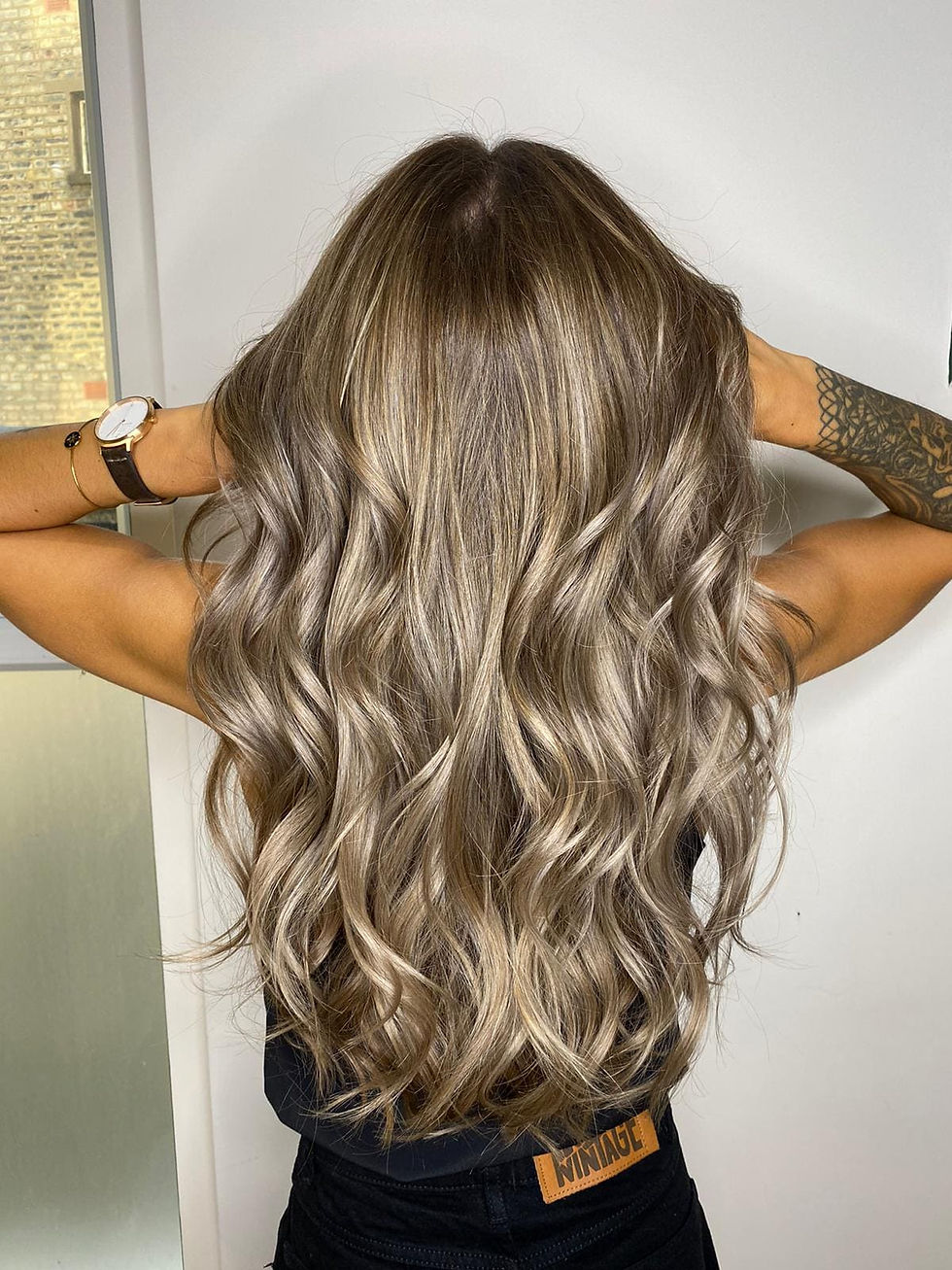
A sensible plan might use a few very fine highlights around the visible parting, lowlights through selected pale bands and a soft root shadow to blur the start line. A neutral beige toner could then bring the remaining light pieces into the same colour family. The fragile ends would be left out of the lightener.
That does not mean the result must become dark. It means using light and shade with more control. The finished colour should still read as blonde, but with a softer root, less repetition and enough depth for the lighter pieces to make sense.
Where home care helps and where it stops
Home care can protect a correction, but it cannot redesign one.
Use a gentle shampoo, conditioner and heat protection. A purple product can help with warmth, but overuse may make porous pieces look dull or uneven. Follow the directions and stop if the hair feels coated or dry.
Avoid putting box colour over the whole head to hide stripes. Lightened sections may absorb pigment differently, leaving a darker or muddier result and making the next correction harder. Changing the parting or wearing a softer wave is safer than adding permanent colour at home.
London water and product build up can affect shine and tone, but they do not create a repeated highlight pattern. If the issue is a clear line in the placement, it needs a colour plan rather than a stronger shampoo.
Planning time, budget and maintenance
Highlight correction is normally priced after a consultation because 2 heads of stripy highlights can need completely different work. One may only need a root shadow and toner. Another may need selective lowlights, fine foils and several careful formulas through different zones.
Bring clear reference photos and, if possible, photos from before your most recent colour. Ask what will be lightened, darkened or left alone, how the plan will grow out and what the next appointment may involve.
A softer result can often be maintained with smaller, more targeted appointments instead of repeating a full head every time. The right interval depends on how close the colour sits to the scalp, how quickly your hair grows and how much visible regrowth you are comfortable with.
A calmer route back to blended colour
At Margaux Salon, we prefer to plan correction around the hair you actually have, rather than chase a reference photo at any cost. That means looking at the placement in natural light, discussing your colour history and being clear if the safest route needs more than 1 visit.
Our highlights service explains the main options, from smaller placements to fuller lightening. For uneven or heavily highlighted hair, start with a consultation so the colourist can assess the condition and quote for the right amount of work.
If you would like a considered plan for softer, more blended colour, book a consultation at your nearest Margaux Salon.
Conclusion
Stripy highlights are rarely solved by making everything lighter. The best corrections usually preserve what is working, add depth where it is missing and soften the most visible lines with precise placement and tone.
The result may take one careful appointment or a staged plan, but the principle is simple: healthier looking hair, believable contrast and colour that still feels good when it grows.


Comments