


Why Is My Hair Not Growing? How to Fix It and Restart Growth
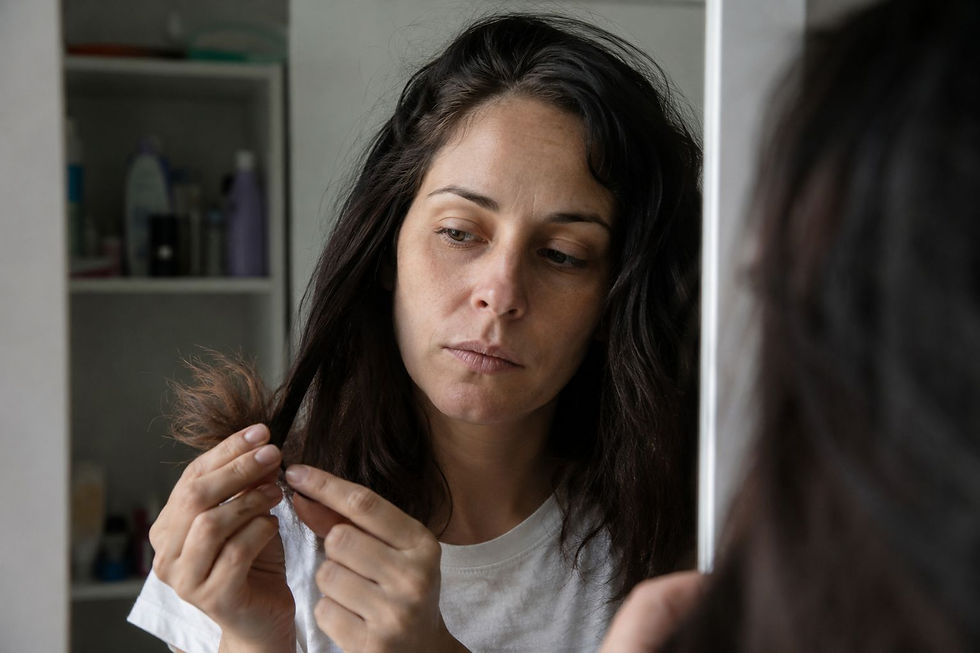
Your hair grows roughly half an inch each month - that's about six inches per year. So why does it feel like yours has hit a wall and just... stopped?
We've all been there. You're doing everything right, taking care of your hair, yet it seems stuck at the same length month after month. Frustrating doesn't begin to cover it.
Here's what we've learned: asking "why isn't my hair growing" might not be the right question. Sometimes what looks like stunted growth is actually breakage happening as fast as new hair appears. Other times, it's your genetics, age, what you're eating, or stress messing with your hair's natural rhythm.
The good news? Once you understand what's really going on - whether your hair has genuinely stopped growing or if something else is at play - you can tackle the real problem. We'll walk you through the reasons behind slow growth and show you practical ways to get your hair back on track.
Table of Contents
How Your Hair Actually Grows
The Growing Phase (Anagen)
Every strand on your head has its own timeline. Most of your hair - about 85 to 90% - is actively growing right now. This growing phase, called anagen, can last anywhere from two to eight years.
During this time, cells at the root work overtime, dividing rapidly and pushing new hair out at roughly one centimetre every 28 days. Your genetics decide how long this growth phase lasts, which explains why your friend can grow hair down to her waist whilst yours stops at shoulder length. It's not that you're doing anything wrong - it's simply how you're wired.
As we get older, this active growth period gets shorter, which naturally limits how long our hair can get.
The Transition Phase (Catagen)
After all that growing comes a brief pause. The catagen phase lasts just two to three weeks, affecting only 1 to 5% of your hair at any time.
Think of this as your hair taking a breather. The follicles shrink down to about one sixth of their normal size, growth stops completely, and the hair disconnects from its blood supply. The bottom of each strand hardens into a club shape, getting ready for what comes next. Short but necessary.
The Resting Phase (Telogen)
Then comes the rest period. Your hair doesn't grow during telogen, which lasts two to four months and affects about 10 to 15% of your scalp hair. The hair just sits there, held in place by that club-shaped base.
But here's what's clever: underneath that resting hair, a brand new strand starts forming. Eventually, this fresh growth pushes the old hair out - which is why you naturally lose 50 to 100 hairs every day. Perfectly normal.
When Things Go Wrong
Sometimes stress, illness, or hormonal changes can mess with this cycle, forcing too many hairs into the resting phase at once. This condition, called telogen effluvium, can be triggered by things like severe illness, major surgery, childbirth, thyroid problems, crash dieting, or not getting enough protein or iron.
The tricky bit? You won't notice the effects until about three months after whatever caused it. Understanding these disruptions helps explain why your hair might seem stuck - it's often not about slow growth, but about your normal cycle being thrown off track.
What's Really Behind Slow Hair Growth?
Your Genetic Blueprint
Your DNA decides how long your hair's growth phase lasts, which directly controls maximum length. Most people's hair grows for two to seven years before entering the resting phase. This genetically programmed limit, called terminal length, typically reaches mid-back or longer for most of us. Research identifies the FGF5 gene as a crucial regulator, with mutations causing exceptionally long hair by extending the growth phase.
Simply put, if your mum has hair that stops growing at her shoulders, yours might do the same.
Age Changes Everything
Getting older shortens your growth phase whilst lengthening the time between shedding and new growth. Women after menopause show notably lower hair diameter and growth rates, particularly at the front. Sebum production drops around age 45 to 50, more dramatically for women, leaving hair less shiny and smooth. Hair thickness peaks around 40 for most women, with over half experiencing significant thinning after 50.
This isn't about vanity - it's biology.
What You're Not Eating
Iron deficiency remains the world's most common nutritional shortage and frequently appears in women with hair loss. Zinc deficiency triggers shedding and brittle hair, with studies showing lower zinc levels in people experiencing hair loss. Low vitamin D correlates with female pattern hair loss, with nearly 80% of sufferers showing deficient levels. Protein restriction causes thinning since follicles need amino acids constantly.
Your hair follicles are essentially protein factories. Without proper fuel, they simply can't do their job.
Hormones Out of Balance
Thyroid problems stop hair growth at the root. Both underactive and overactive thyroid cause thinning across the entire scalp. DHT, a testosterone derivative, shortens the growth phase and shrinks follicles. Oestrogen drops during menopause reduce hair density.
Stress Takes Its Toll
Chronic stress elevates cortisol, which prevents follicle cells from activating hair growth. This pushes follicles into extended resting phases. You'll typically notice excessive shedding two to three months after a stressful event.
That major life change from months ago? Your hair's still processing it.
Scalp Health Matters
Seborrheic dermatitis damages follicles through excess oil and yeast overgrowth. Scalp conditions create an unhealthy environment for new hair. Buildup from oil, dead skin cells and styling products clogs follicles, restricting growth and weakening strands.
Think of your scalp as soil - if it's not healthy, nothing good grows there.
Breakage vs Slow Growth: What's Really Going On?

Sometimes your hair isn't growing slowly at all. It's breaking off as fast as it grows, which creates the perfect illusion of stunted length. Working out which one you're dealing with changes everything about how you tackle the problem.
Think of it this way: if your hair grows half an inch each month but breaks off half an inch at the same time, you're stuck at the same length forever. Recognising the difference helps you target the real issue.
Chemical Treatments Gone Wrong
Bleaching, colouring, perming, and relaxing all attack your hair's protective barrier. These treatments break down the proteins and oils that keep your strands strong, leaving the inner layers exposed and vulnerable. Hair that's been through chemical processing loses twice as much protein as untreated hair.
Each treatment increases your hair's porosity, which sounds technical but simply means moisture escapes more easily. The result? Dry, brittle strands that snap under pressure. Stack multiple treatments together, and the damage builds up quickly.
Heat Damage from Styling Tools
Your straighteners and curling irons reach temperatures between 175°C to 200°C. That might not sound extreme, but hair starts to melt at just 220°C. Anything above 200°C breaks down the keratin proteins that give your hair its strength and stretch.
Here's something many people don't realise: using hot tools on damp hair creates what's called "bubble hair" - tiny gas-filled pockets that leave your strands weak, bent, and discoloured. It's permanent damage that can't be repaired.
Products That Strip Too Much
Not all hair products treat your strands kindly. Harsh sulphates remove the protective oils from both your scalp and hair shaft, stripping away naturally occurring proteins that keep hair healthy. This leaves strands dry and prone to snapping.
If you've got curly, damaged, or naturally dry hair, aggressive cleansing ingredients make things worse by disrupting your scalp's natural barrier.
The Split End Problem
Split ends work exactly like a run in your tights. Once that tiny split appears, every brush stroke, wash, or styling session pushes it further up the hair shaft. You can't repair split ends - they need cutting off before they travel upward and cause breakage closer to your roots.
Tension from Tight Styling
Constantly pulling your hair into tight ponytails, braids, or buns puts ongoing stress on your follicles. This tension can lead to traction alopecia - inflammation and weakening that eventually causes permanent hair loss. Early warning signs include tenderness around your hairline, redness, and short broken hairs where your style pulls tightest.
How to Get Your Hair Growing Again

Getting your hair back on track takes a targeted approach. Small changes, done consistently, make the biggest difference.
Feed Your Hair from the Inside Out
Your follicles need proper fuel to do their job. Salmon, mackerel and herring deliver omega-3 fatty acids that boost hair density whilst supporting growth rates. Eggs give you both biotin for keratin production and the protein your follicles crave - they're mostly protein, after all.
Spinach packs iron, which carries oxygen to your follicles, along with vitamins A and C. One avocado provides 21% of your daily vitamin E, protecting your scalp from damage. For zinc, which supports tissue growth and repair, try oysters, pumpkin seeds or shellfish.
Keep It Simple with Your Washing Routine
Oily hair needs washing every two to three days. Dry hair? Once or twice weekly does the trick.
Focus your shampoo on the scalp, not the ends. Massage gently with your fingertips for three minutes - this boosts circulation. Rinse with lukewarm water, as hot water strips away natural oils. Apply conditioner only from mid-shaft to ends.
Protect Your Hair from Heat Damage
Heat protectant isn't optional - it shields your hair up to 230°C. Set your tools between 250°F to 300°F for fine hair, 300°F to 350°F for thicker textures. Limit heat styling to two or three times weekly. Your hair will thank you.
Try Scalp Massage
Five minutes of scalp massage daily increases hair thickness after 24 weeks. Use your fingertips in small circular motions, or work it into your shampooing routine.
Trim Away the Damage
Book trims every eight to ten weeks. Those split ends travel upward like a ladder in tights - once they start, they won't stop on their own. Regular trimming prevents breakage and helps you retain length over time.
Choose Gentle Products
Sulphate-free shampoos preserve your hair's natural oils and maintain moisture balance. They prevent dryness and frizz whilst supporting long-term scalp health. This matters especially for colour-treated or textured hair.
Less harsh chemicals means healthier hair. It's that simple.
What's next for your hair?
Hair growth issues are rarely straightforward. Most of the time, what looks like slow growth is actually breakage working against you.
The solution isn't complicated, though it does require patience. Feed your hair properly, protect it from damage, and give your scalp the attention it deserves. These aren't quick fixes - real results typically take several months to show.
We know waiting feels frustrating when you want longer hair now. But here's the truth: there's no magic treatment that will double your growth rate overnight. What works is consistent care, the right products for your hair type, and realistic expectations about timing.
Stick with gentle routines, regular trims, and proper nutrition. Your hair will thank you for it. And if you're still concerned about slow growth after giving these changes a fair try, it might be worth chatting with your GP about potential underlying causes.
Good hair takes time. But it's absolutely worth the effort.
FAQs
Q1. How can I restart my hair growth if it seems to have stopped? The most effective approach combines improving your diet with essential nutrients like iron, zinc, and biotin, establishing a gentle hair care routine, and protecting your hair from damage. Scalp massage for five minutes daily can boost circulation, whilst regular trims every eight to ten weeks prevent breakage from travelling upward. Results typically appear after several months of consistent care.
Q2. What's the difference between hair not growing and hair breakage? Hair breakage creates the illusion of no growth because strands snap off at the same rate they grow. Signs of breakage include split ends, excessive shedding when brushing, and shorter broken hairs around your hairline. Genuine slow growth relates to your hair cycle being disrupted by factors like stress, hormonal imbalances, or nutritional deficiencies, whereas breakage stems from damage caused by heat styling, chemical treatments, or harsh products.
Q3. Why is younger generation experiencing more hair loss? Frequent chemical treatments, bleaching, excessive heat styling, and tight hairstyles can weaken hair follicles and promote thinning. Regularly wearing tight ponytails, braids, or buns creates constant tension on follicles, potentially leading to traction alopecia. Combined with stress and dietary factors, these styling habits contribute to increased hair loss amongst younger people.
Q4. Can stress hormones actually cause my hair to fall out? Yes, chronic stress elevates cortisol levels, which prevents follicle cells from activating hair growth and pushes follicles into extended resting phases. This condition, called telogen effluvium, typically appears two to three months after a stressful event. High cortisol disrupts the natural hair growth cycle, causing excessive shedding and temporarily halting new growth.
Q5. How often should I wash my hair to support healthy growth? Wash oily hair every two to three days and dry hair once or twice weekly. Focus shampoo on your scalp rather than the ends, massaging gently with fingertips for three minutes to boost circulation. Rinse thoroughly with lukewarm water, as hot water strips natural oils, and apply conditioner only from mid-shaft to ends to maintain moisture balance.


I wasn't expecting such a simple concept to be this entertaining. eggy car keeps making me want to beat my previous distance.
The explanation about stress-related hair loss is also interesting, since the effects often appear months after the stressful event itself. As someone who enjoys learning about health and wellness topics, I appreciate clear information like this. It reminds me of improving at Slope Rider—a downhill skill game where results often depend on understanding the underlying mechanics rather than just focusing on the outcome.