


Hairstyle Meaning: What Your Hair Reveals About You Without Saying a Word
What you need to know
Your hair talks before you do. It tells everyone who you are, what you value, and how you want to be seen, all without saying a single word.
Your brain notices hair first, even before eyes or nose... it happens in milliseconds:
Classic styles say "professional and reliable" whilst bold cuts like mohawks shout "I don't follow the crowd"
Watch how people touch their hair... twirling can mean they fancy someone or feel stressed, whilst smoothing shows confidence
Hair carries deep cultural meaning, especially protective styles like braids that connect to heritage and identity
Well-kept hair suggests you've got your life sorted, making people trust you more
Understanding what your hair communicates helps you choose styles that feel authentic whilst sending the right message to the world.
Why your hair matters more than you think
Here's something interesting: your hair plays a bigger role in first impressions than you might expect. Most of us, over 75%, actually fidget with our hair the moment we walk into crowded spaces, because deep down we know people are looking.
Your hairstyle isn't just about looking good. It reveals your internal world, where you fit socially, what you believe in, and who you really are. Whether you're going for a polished look that says "take me seriously," a punk style that screams "I make my own rules," or protective braids that honour your roots, your hair choices speak volumes about your personality and values.
Table of contents
Why Your Hair Choice Matters More Than You Think
What happens in your brain when you see someone's hair
Here's something fascinating: when you meet someone new, your brain notices their hair before anything else. Research shows we're actually better at recognising faces from their hair than from their eyes, nose, or mouth. Think about it: you've probably recognised friends from behind just by their hairstyle.
Your brain treats hair as a visual anchor that frames everything else. Long hair particularly grabs attention, which means people notice and remember your hairstyle within milliseconds of seeing you. Every time you change your hair, you're creating a completely different visual signature that others process instantly.
First impressions happen faster than you think
Yale University researchers discovered something remarkable about hair and perception. When they showed people identical faces with different hairstyles, observers formed completely different opinions about intelligence and attractiveness in just two seconds.
The differences weren't small either. Women with long, blonde, straight hair appeared wealthier to viewers, whilst those with medium-length, dark, casual hair seemed less affluent. For men, short, highlighted styles came across as more confident.
Hair condition matters too. Healthy, undamaged hair gets perceived as younger and more attractive. Your hairstyle actually influences perception more than your hair colour. From an evolutionary perspective, your hair quality signals health and vitality.
Your hair reflects who you are inside
We don't choose our hairstyles randomly. They're visual representations of our personality, values, and background. When someone picks vibrant, unusual colours, they're showing their creative side and willingness to stand out. Clean, polished styles communicate professionalism and attention to detail.
This connection goes deeper than looks. Hair changes often happen during major life transitions - a dramatic cut or new colour symbolises personal reinvention. You know the feeling: good hair days make you feel confident and ready to take on the world, whilst bad hair days can knock your self-esteem.
Your hairstyle becomes one of the most powerful tools for self-expression you have. It's something you control completely, and it showcases your personality through choices that are visible to everyone.
What your hairstyle says about you

Professional styles and polished looks
When you choose a conservative cut, you're telling the world you take yourself seriously. Well-groomed styles show you're attentive to detail and respect professional standards. You'll find neatly styled cuts are still the norm in traditional fields like finance or law, whilst creative industries welcome more expressive choices.
Classic cuts like tailored fades, side parts, and sleek bobs strike that perfect balance between style and structure. They suggest you've got your life sorted and approach things with composure. Regular trims and clean edges? That's you showing discipline and building trust with everyone you meet.
Bold cuts and rebellious spirits
If you've gone for a punk-inspired look, you're making a statement about freedom and individuality. The punk movement emerged in the 1970s as pure defiance against conformity, with sharp cuts, vibrant colours, and dramatic shaved sections. The mohawk remains the ultimate symbol of anti-establishment thinking... those shaved sides with the central strip aren't just hair, they're a manifesto.
Liberty spikes, asymmetrical cuts, and electric colours like neon green or bright blue tell everyone you celebrate what makes you different. You're challenging convention and showing the world that conformity isn't for you.
Sleek and controlled aesthetics
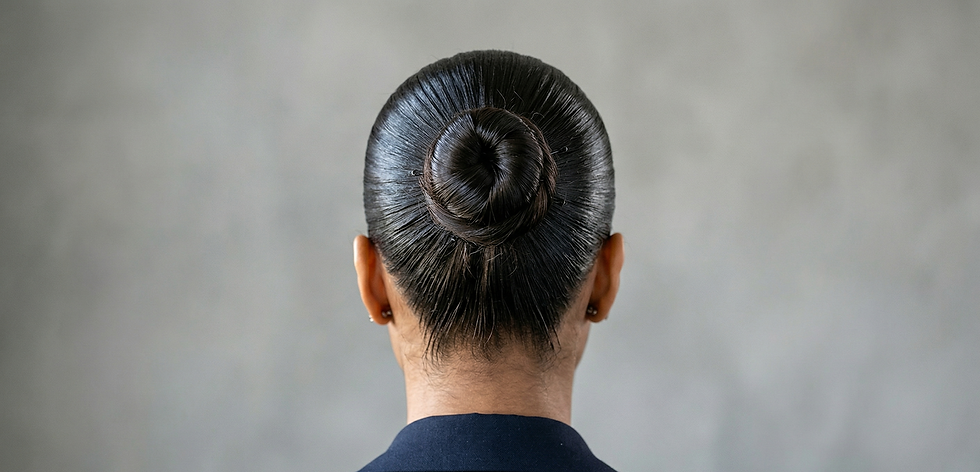
Choose sleek, straight styles and you're communicating perfectionism and organisation. Polished hair suggests you maintain high standards and value precision in everything you do. Those sky-high ponytails and wet-look buns? They show confidence and a desire to keep everything exactly where it should be. This controlled aesthetic tells people you're focused and take an ordered approach to life.
Protective styles and cultural heritage

Protective styles like braids and cornrows carry profound meaning beyond hair health. These techniques date back to 3000 BC, serving as spiritual and social markers in African societies. They protected hair whilst showing status, tribal affiliation, and age. During slavery, braids became tools of resistance, with patterns that mapped escape routes and held seeds for planting after freedom.
For Black women today, protective styles connect to ancestral heritage and serve as beautiful expressions of cultural identity.
Fringe benefits and approachability
Your choice of fringe says plenty about your personality. Blunt bangs show boldness and confidence, whilst side-swept versions suggest you're approachable and gentle. Many people report feeling empowered after changing their fringe: it's amazing how this simple choice can redefine how you see yourself. This small style decision influences every social interaction you have.
Signature looks and personal branding
Maintaining a consistent signature style creates visual impact before you even speak. Whether you choose bold cuts to show your creative side or polished styles to demonstrate reliability, your hair becomes part of how you present yourself to the world. A signature look builds recognition and shows authenticity as it becomes part of your personal brand.
The silent messages your hair sends
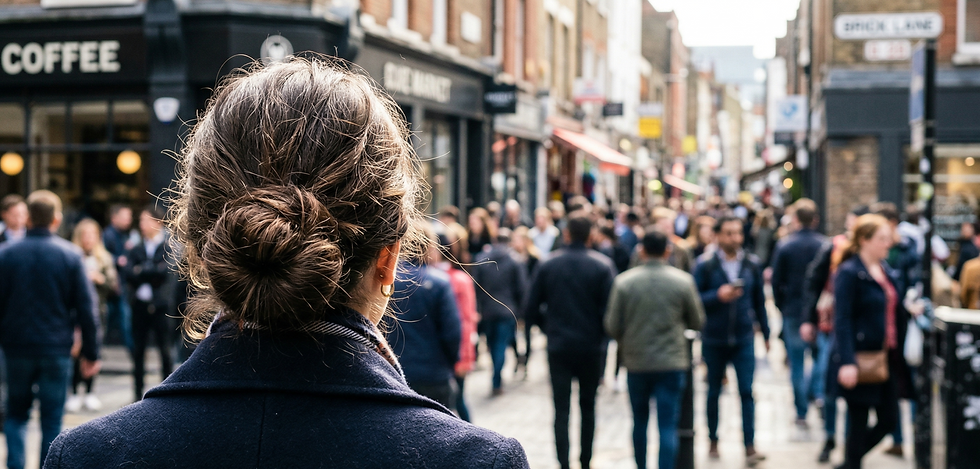
Your hair talks before you do. Every touch, flick, and adjustment sends signals that others pick up instantly.
When hair becomes your flirting tool
Hair tossing is classic flirtation. That backwards throw draws attention whilst exposing your face? It's an invitation to connect. Watch someone twirl their hair with steady eye contact and a smile? They're showing interest.
Flicking and fluffing aren't accidents either. We do this to catch the eye of someone we fancy. Running your fingers through your hair or stroking it? You're preening, checking everything sits right or perhaps inviting someone else to touch. Those quick runs through shorter styles ensure you look your best.
Hair covering your face sends the opposite message. It suggests you're not approachable or have something to hide.
Hair touching when you're stressed
We touch our hair differently when we're anxious. That quick flick to shift hair back or tuck it behind your ears? It's self-soothing when you feel uncomfortable. Hair twirling provides comfort, much like other calming behaviours.
Repetitive fiddling without any positive signals usually means nervous tension. Boredom triggers hair twirling too, the fidgeting helps you stay focused.
Confidence shows in your grooming
Well-maintained hair quietly signals you're prepared and thoughtful. Good grooming communicates before you move or speak. Regular upkeep shows consistency and attention to detail. Clean, well-ordered hair becomes a proxy for how reliable and self-disciplined you are.
Hair signals in competitive situations
When we're in competitive mode, we mirror each other's hair adjustments. Before approaching someone attractive, we check ourselves in any reflective surface and brush our hair. These grooming actions show we're putting in our best effort.
Your hair speaks volumes. The question is: what message are you sending?
Hair Through the Ages: What History Tells Us About Style
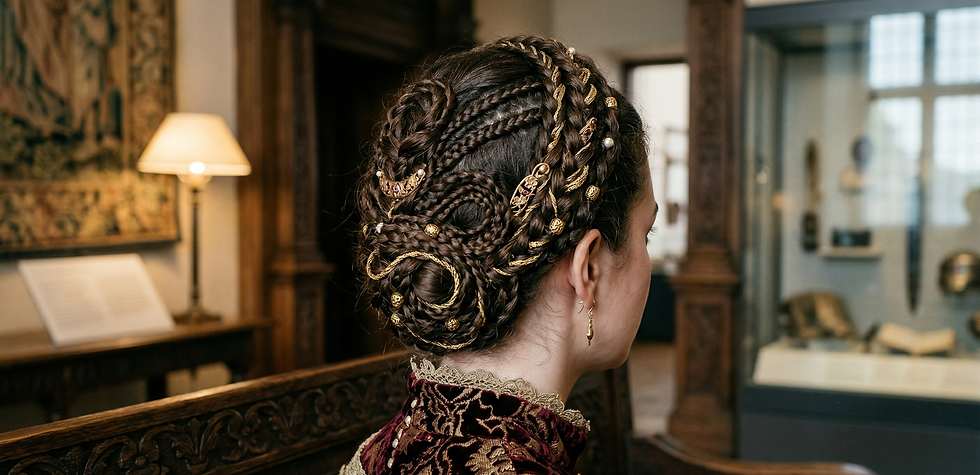
Your hairstyle isn't just about today's trends. It connects you to centuries of cultural expression, rebellion, and identity.
When Society Decided How You Should Look
Victorian women wore their hair up in tight buns to show modesty and marital status. Men kept short, neat cuts that screamed respectability and masculinity. Medieval times were even stricter: women's hair stayed wrapped around heads or hidden under headdresses. Showing your hair meant showing defiance.
The Elizabethan period changed everything. Young married women uncovered their hair for the first time in England, breaking away from religious modesty veils. This wasn't just fashion, it was freedom.
The 1920s brought the bob. Women chopped off their long hair and declared independence. By the 1960s and 1970s, long hair became a political statement. Both men and women grew their hair to rebel against traditional norms and join counterculture movements.
Hair as a Status Symbol
Ancient Egyptians knew hair meant power. Pharaohs and nobility wore intricate braids with gold accessories whilst slaves and servants had short or shaved heads. The message was clear: the more elaborate your hair, the higher your status.
Roman women took this to extremes. They created elaborate updos held with precious hairpins, using complex styles to show wealth. The more unnatural and intricate the hairstyle, the more it reflected the woman's social standing.
European courts in the 17th and 18th centuries made wigs the ultimate status symbol. The more elaborate and powdered your wig, the higher your position in society. France and England led this trend that literally put social hierarchy on display.
Hair as Resistance and Identity
Some hairstyles carry profound cultural significance that goes far beyond fashion. Cornrows served as powerful tools of resistance during slavery. Many enslaved Africans grew and braided their hair as acts of rebellion and cultural identity. These braided patterns even mapped escape routes and held seeds for planting after freedom.
During the Civil Rights Movement, Afros became iconic symbols of Black pride and cultural identity. Angela Davis's signature afro represented Black empowerment and rejection of Eurocentric beauty standards.
Punk movements of the 1970s adopted mohawks, originally worn by young Mohawk warrior men protecting their tribes. The true history became overshadowed by punk rock symbolism of non-conformity.
China under Qing rule (1644 to 1912) required all Han Chinese men to shave their front portion and braid the back as submission signs. Refusal within 10 days was treated as treason punishable by execution. Hair became a matter of life and death.
What does this mean for you today? Your hairstyle choices connect you to this rich history of expression, resistance, and identity. Every cut, colour, and style carries echoes of those who came before.
Conclusion
All things considered, our hairstyles speak volumes before we utter a single word. Whether we opt for conservative cuts that signal professionalism or bold styles that express individuality, we're constantly communicating through our hair choices. Understanding hairstyle meaning helps us make intentional decisions about how we present ourselves. Choose styles that authentically represent who you are, as well as the message you want to convey, and you'll project confidence whilst staying true to yourself.


I wasn't expecting such a simple concept to be this entertaining. eggy car keeps making me want to beat my previous distance.
Ragdoll Hit is chaotic, silly, and exactly the kind of game I needed.
Level Devil is the only game where I celebrate dying less than twenty times per level 😅